Large-Capacity Sports Water Bottles: How 32oz, 40oz, and 64oz Options Actually Get Used
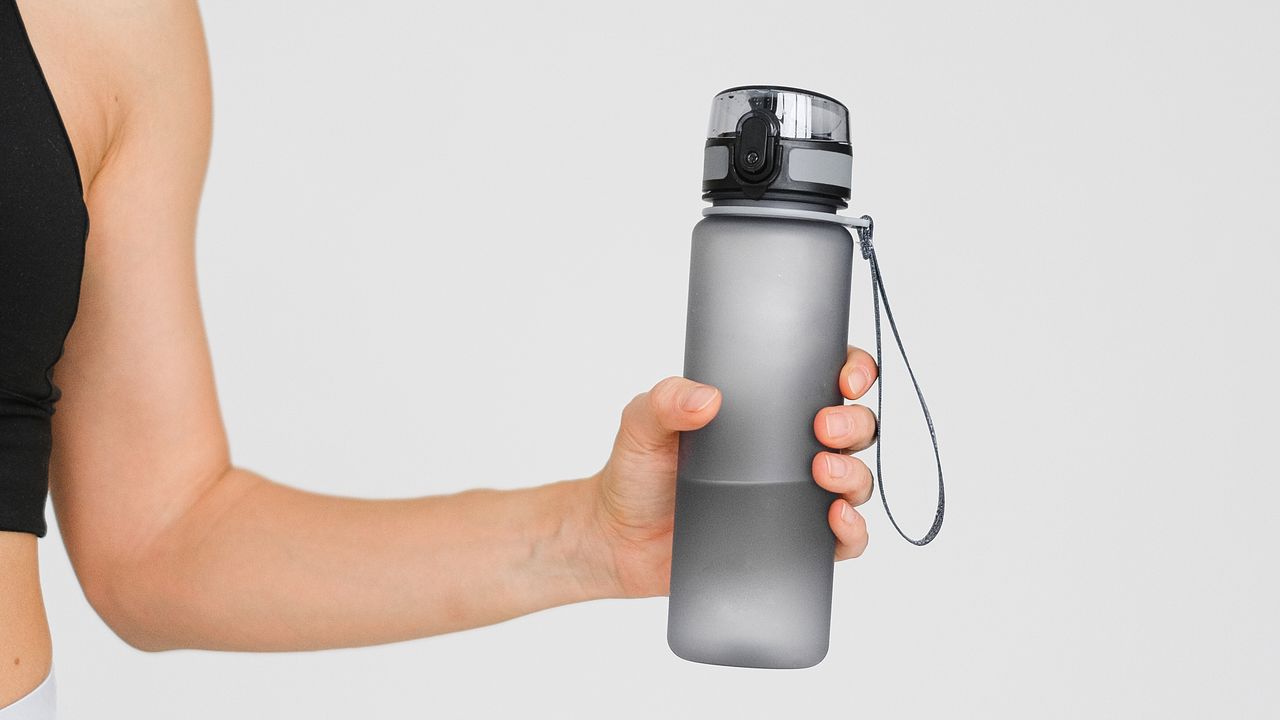
The push toward larger capacity sports water bottles over the past several years isn’t just a trend — it reflects real changes in how people approach hydration during extended activity. A 20oz bottle made sense when most gym sessions were an hour and most trail runs were short. At the volumes and durations that characterize current fitness culture — two-hour training blocks, half-day hikes, full-day outdoor events — the math on how often you need to stop and refill changes the calculus on what capacity makes sense.
This matters most for buyers purchasing at volume. Whether you’re outfitting a sports team, stocking a gym’s retail shelf, or sourcing branded bottles for a corporate wellness program, the capacity decision affects how the product gets used in the field — and whether it actually solves the problem it’s supposed to solve.
32oz: the workhorse capacity
32oz (roughly one liter) has become the de facto standard for general fitness use, and there are good reasons for it. It’s large enough to handle most workout sessions without a refill, small enough to fit in most cup holders and standard backpack bottle pockets, and light enough when full that carrying it isn’t a burden.
For gym use specifically, 32oz is the right size for most purposes. A person doing a 90-minute lifting or conditioning session, hydrating consistently throughout, will typically consume 20-32oz. A bottle at the high end of that range means no mid-session trip to the water fountain, which is a real convenience advantage — particularly in crowded facilities where the fountain is across the room from the squat rack.
The cup holder compatibility point matters more than it might seem. A bottle that doesn’t fit in the cup holder gets left in the bag, then forgotten; a bottle that fits in the cup holder travels everywhere. For everyday-carry usage, the difference between a bottle that integrates into existing behavior and one that requires a behavior change is the difference between a bottle that gets used daily and one that gets used occasionally.
For sports teams — particularly high school or collegiate programs where athletes are moving between facilities, vehicles, and practice fields — 32oz is usually the right team bottle capacity. It handles the two-to-three-hour practice window for most sports without requiring refills, and it’s manageable enough that athletes will actually carry it rather than leaving it in a bag.
40oz: the transition point
40oz has become a significant volume in the market, partly because of specific product categories that popularized it and partly because it genuinely occupies a useful middle ground between everyday carry and serious outdoor use.
The practical use case for 40oz is extended outdoor activity — hiking, kayaking, cycling — where the person will be away from water sources for several hours but isn’t covering the kind of distance that requires a full hydration pack. A four-to-six hour hike on a moderate trail in reasonable weather, where the hiker knows there are refill opportunities at certain points, is well-served by 40oz. It’s enough to handle the full outing if water is available mid-route, and it provides a meaningful buffer if the anticipated refill point turns out to be dry or inaccessible.
For bulk sports water bottles intended for outdoor events — trail races, charity walks, outdoor festivals — 40oz handles the full-day scenario better than 32oz without crossing into the size where carrying becomes an issue. At a full-day event where participants are moving and not necessarily near water stations at all times, the extra 8oz can be meaningful.
The weight consideration at 40oz is real. A full 40oz bottle weighs approximately 2.5 lbs. That’s not a problem for most purposes, but it’s worth factoring in for programs where participants are walking or carrying the bottle for extended periods — the difference between starting with a full 40oz and a full 32oz adds up over several miles.
64oz: who actually needs it and when
64oz (half-gallon) is a category that serves a specific audience well and everyone else poorly. Understanding the actual use case prevents both over-speccing and under-speccing when purchasing at volume.
The genuine use case for 64oz is stationary or semi-stationary activity where high hydration volume is required. Construction and outdoor labor — workers who are physically active for eight or more hours in warm conditions and don’t want to interrupt work to refill — is the clearest fit. The bottle sits in a truck or at the work site and gets carried to and from periodically rather than being transported continuously.
A secondary use case is athletes with high hydration demands during training. Some endurance athletes, particularly those training in heat, can consume 48-64oz during a single session. For this user, a 64oz bottle means filling once at the start and not thinking about it for the duration of the workout.
What 64oz isn’t suited for is general daily carry or casual outdoor use. A full 64oz bottle weighs four pounds — the equivalent of carrying a large hardcover book’s worth of water. For hiking specifically, four pounds of water on the hip or in a hand is noticeable and fatiguing at any significant distance. Hikers who need 64oz of capacity are almost always better served by a hydration pack or a combination of a 32oz bottle and water treatment capability.
For volume buyers, this means 64oz makes sense for specific program types — workforce hydration programs, stadium and venue operations, some strength sports contexts — and less sense as a general-purpose choice.
Team sports: matching capacity to sport duration and intensity
Team sport hydration needs vary enough by sport that a single-capacity recommendation doesn’t cover all cases. A few patterns that hold generally:
Field sports (soccer, lacrosse, rugby) with 90-minute match times and high intensity: 32oz is usually sufficient for the match itself; athletes refill at halftime if needed. For training sessions running two or more hours with breaks, 40oz is more comfortable.
Court sports (basketball, volleyball) with more frequent natural breaks: 24-32oz typically handles a game or training session, as there are more opportunities to drink at stoppages.
Endurance sports (cross-country running, cycling, swimming) with continuous effort: needs vary widely by distance and conditions, but a 32oz bottle is the standard starting point for most training contexts.
For programs outfitting an entire team, buying a single capacity that works for most players and most sessions is usually the right approach — mixed capacities create an inventory management headache and complicate the logistics of branding and labeling.
What large-capacity purchases require that small-capacity purchases don’t
A few practical considerations become more important at larger bottle sizes. Lid design matters more because a heavier bottle being tipped to drink needs a lid that opens fully and stays open — a lid that only opens partway is a nuisance at 32oz and a real problem at 64oz. Carry loop or handle design becomes relevant because a four-pound full bottle is uncomfortable to carry by the body alone. Base stability matters because a taller, heavier bottle tips more easily and is more likely to be knocked off a bench or stadium seat.
For branded programs, the larger surface area on 40oz and 64oz bottles allows for more visible and elaborate imprint designs — a practical advantage if logo visibility or design detail is part of the program goals.
The tradeoff is that larger bottles at volume occupy more warehouse space, ship at higher dimensional weight, and require more consideration in packaging design to prevent damage in transit. These aren’t reasons to avoid large capacities, but they’re factors to build into the planning and logistics for a large order.